Pool Play Explained: Group Stages, Tiebreakers and Crossover Seedings
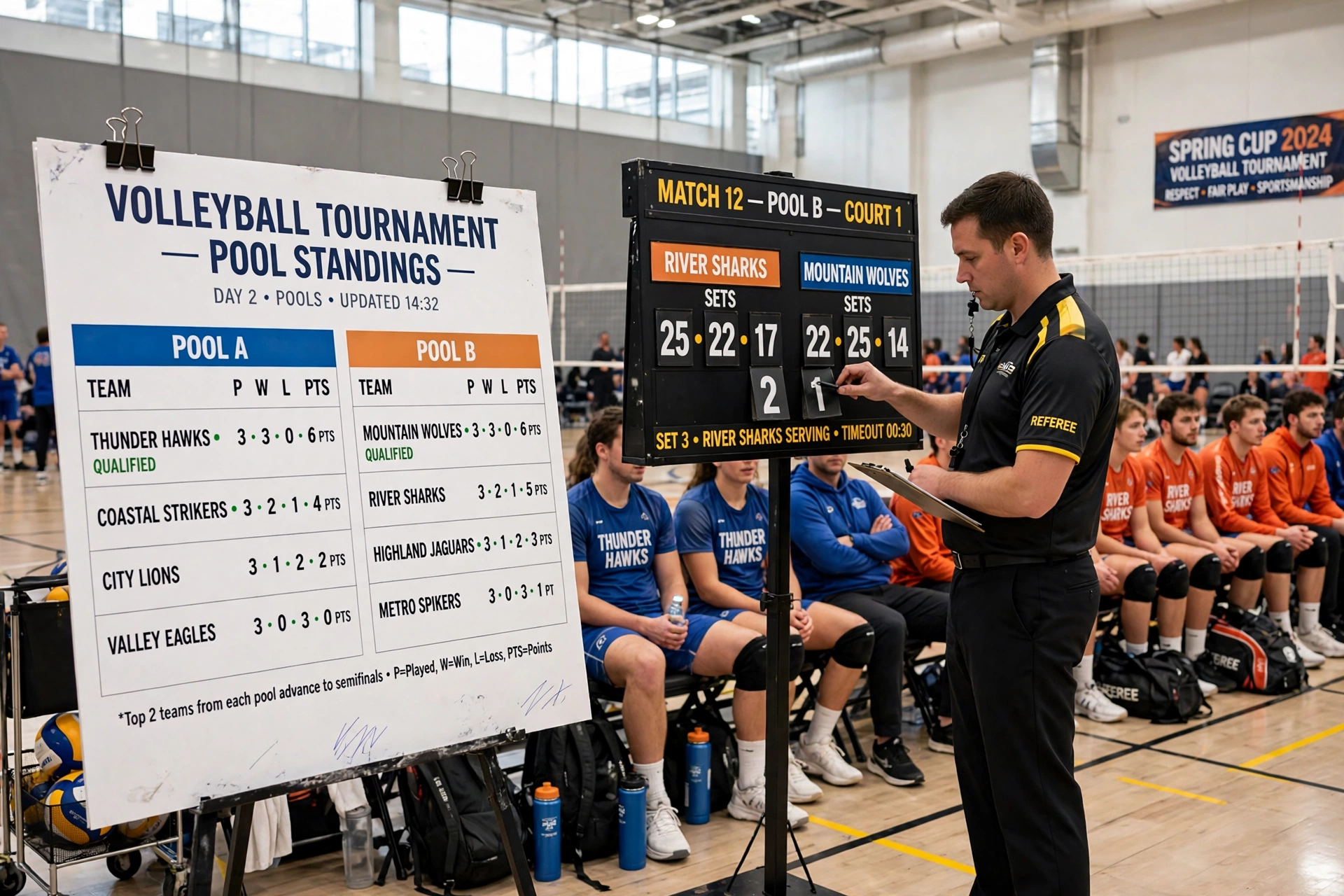
Pool play explained: how group stages work, pool sizes for 8 to 32 teams, the tiebreaker order, a worked three-way tie, and crossover seedings.

Pool play explained: how group stages work, pool sizes for 8 to 32 teams, the tiebreaker order, a worked three-way tie, and crossover seedings.
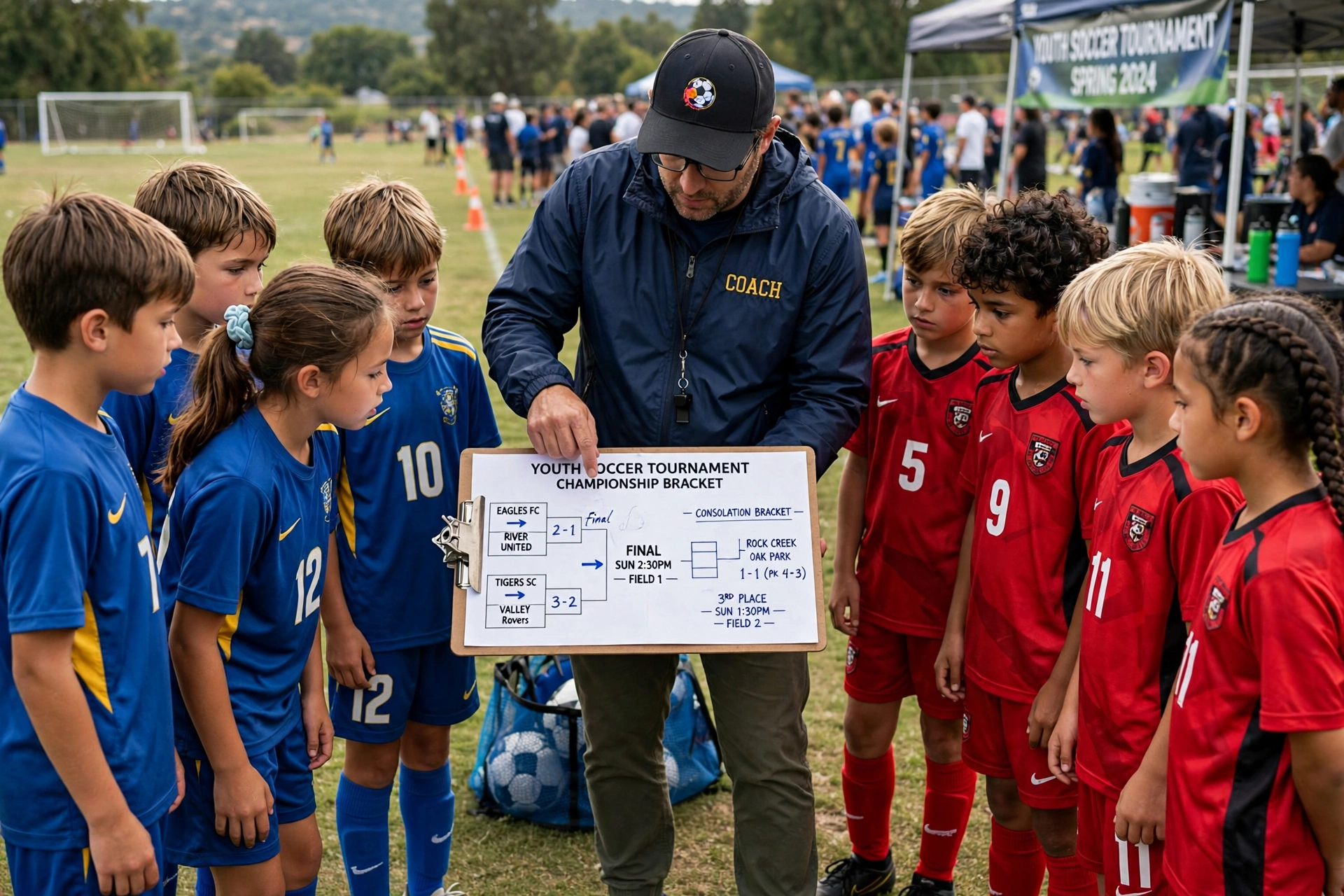
Consolation bracket formats explained: the two types, worked 8-team examples, how many extra games each adds, and when each is worth running.
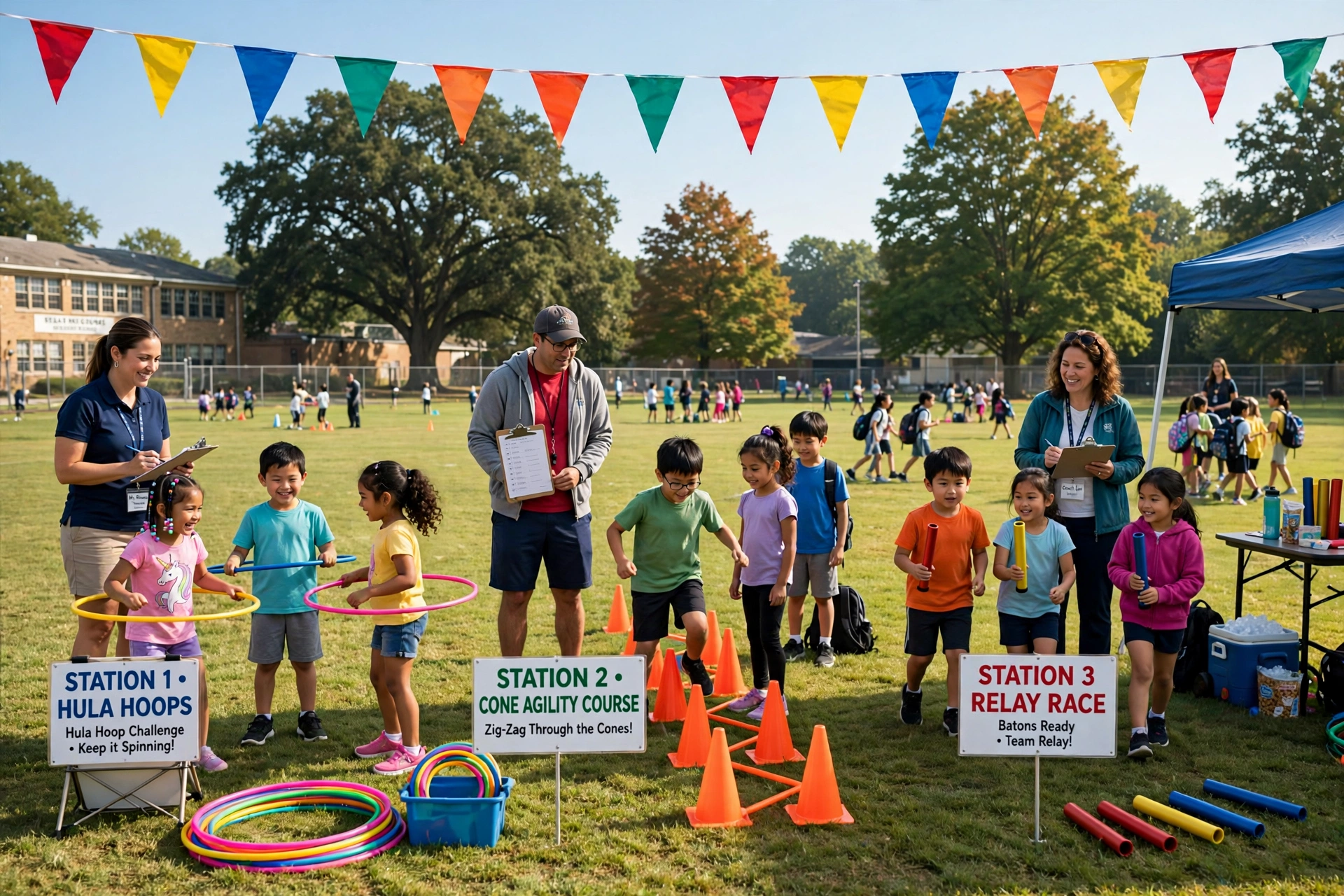
How to organize a field day that runs itself: station math, a worked 12-class rotation timetable, age-band stations, volunteers and a rain plan.
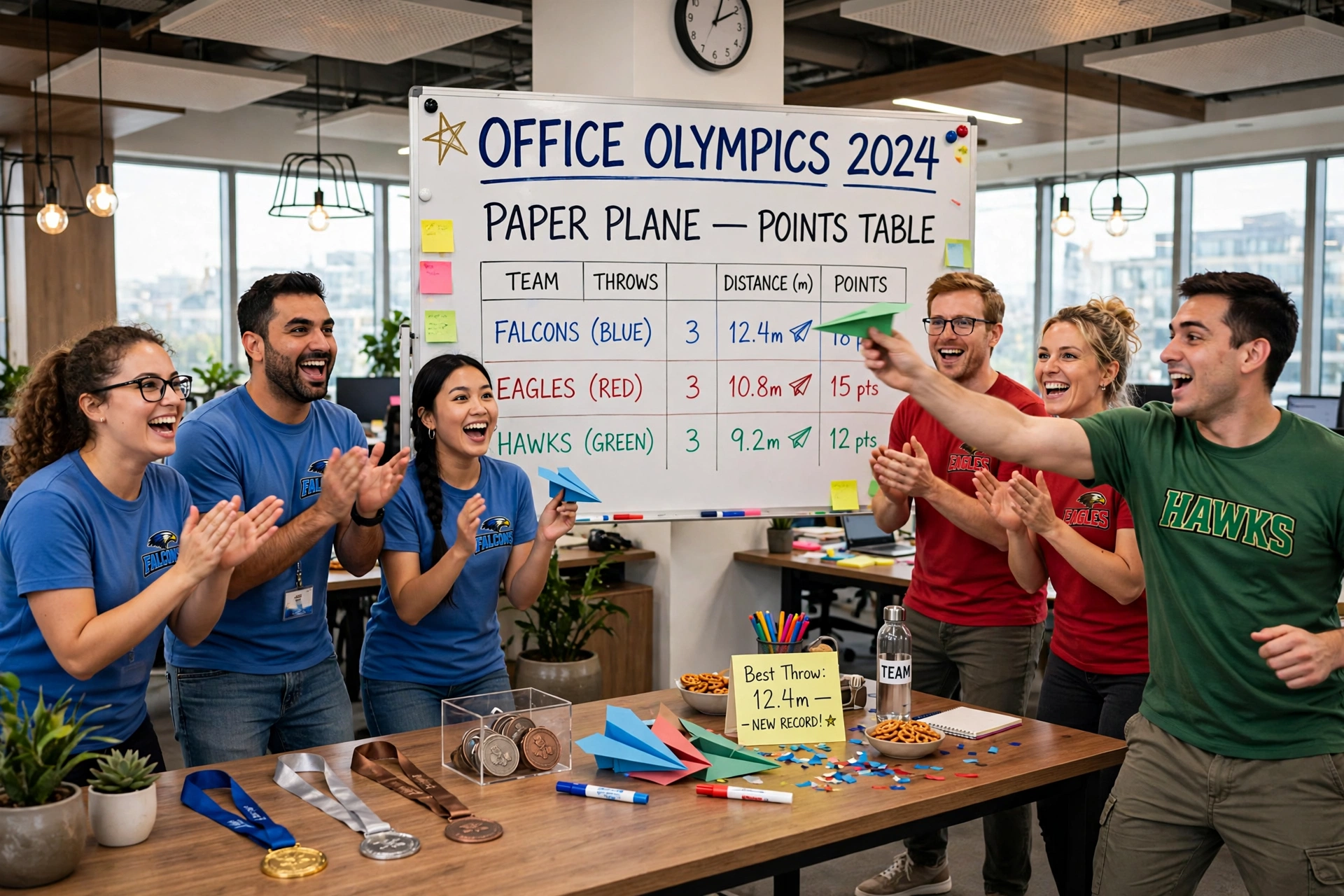
Office olympics ideas with a real points system: 10 desk and floor events, a copyable scorecard, and half-day and full-day plans that fit a workday.

Set up regulation courts, score with cancellation scoring, pick a bracket format for 8 to 32 teams, and run a cornhole fundraiser that ends on time.
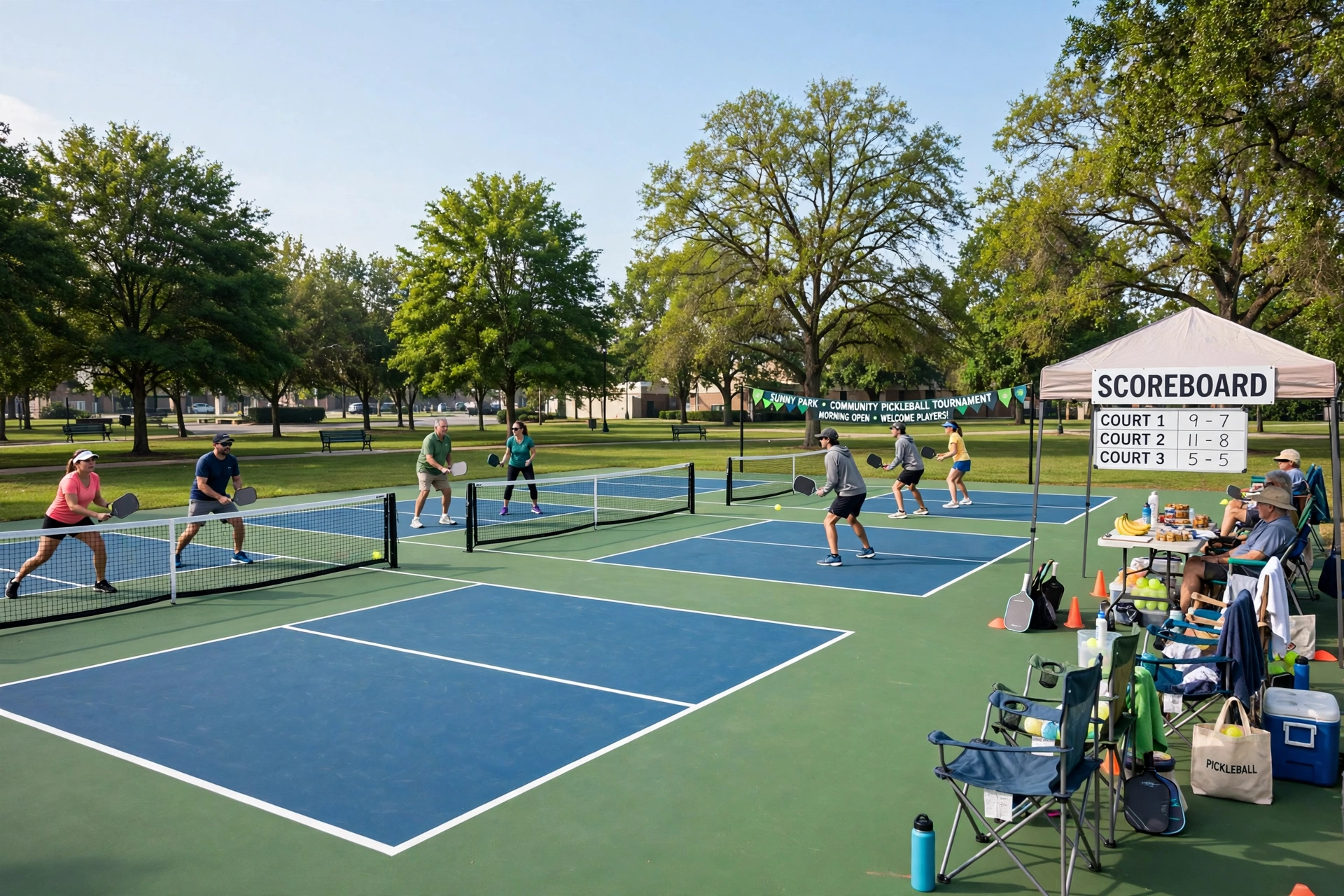
How to run a pickleball tournament: formats by players and courts, court math with a worked 24-player example, divisions, scoring, timeline and budget.
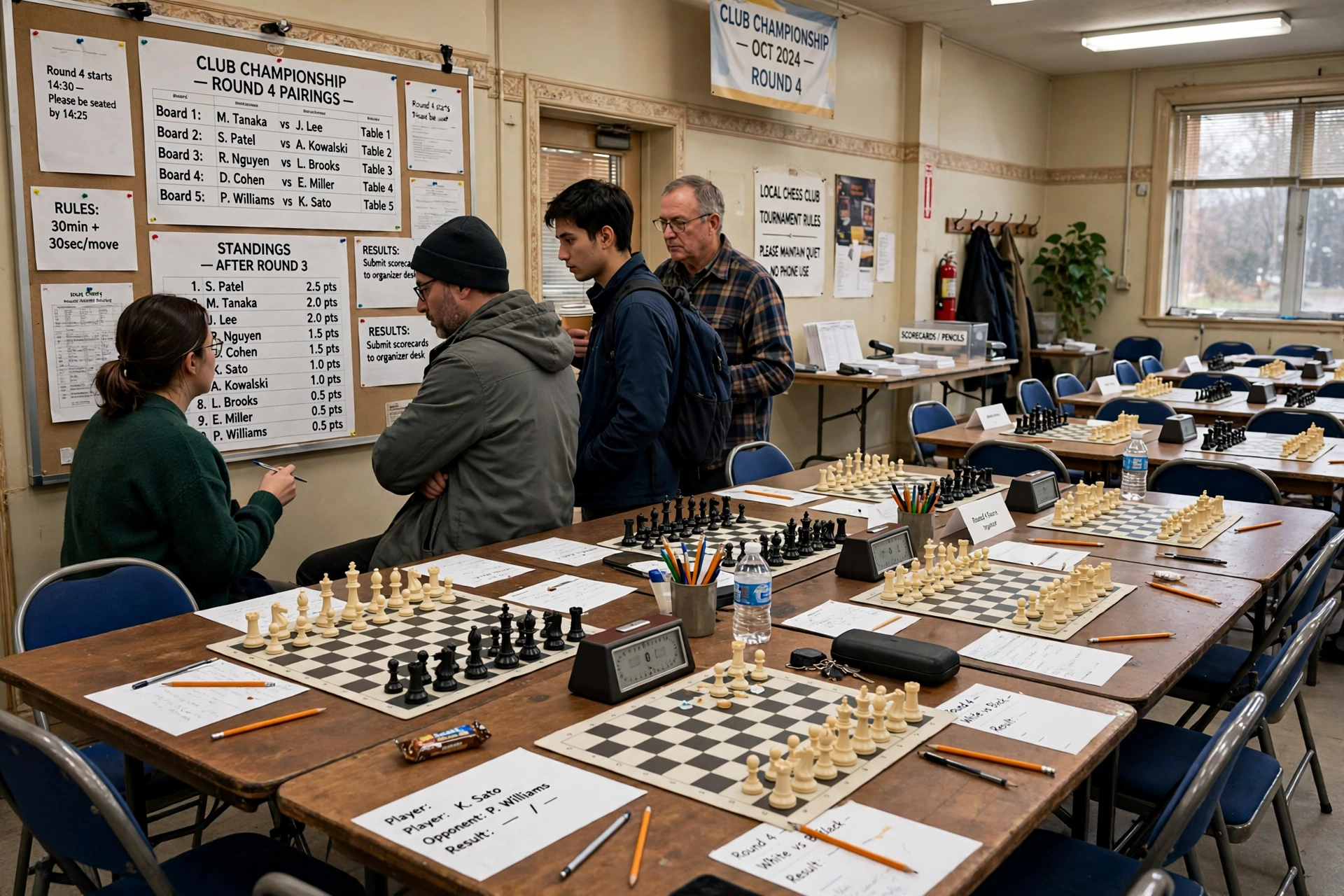
Swiss tournament explained: how pairings work round by round, how many rounds you need, a worked 8-player example, and Buchholz tiebreakers made simple.
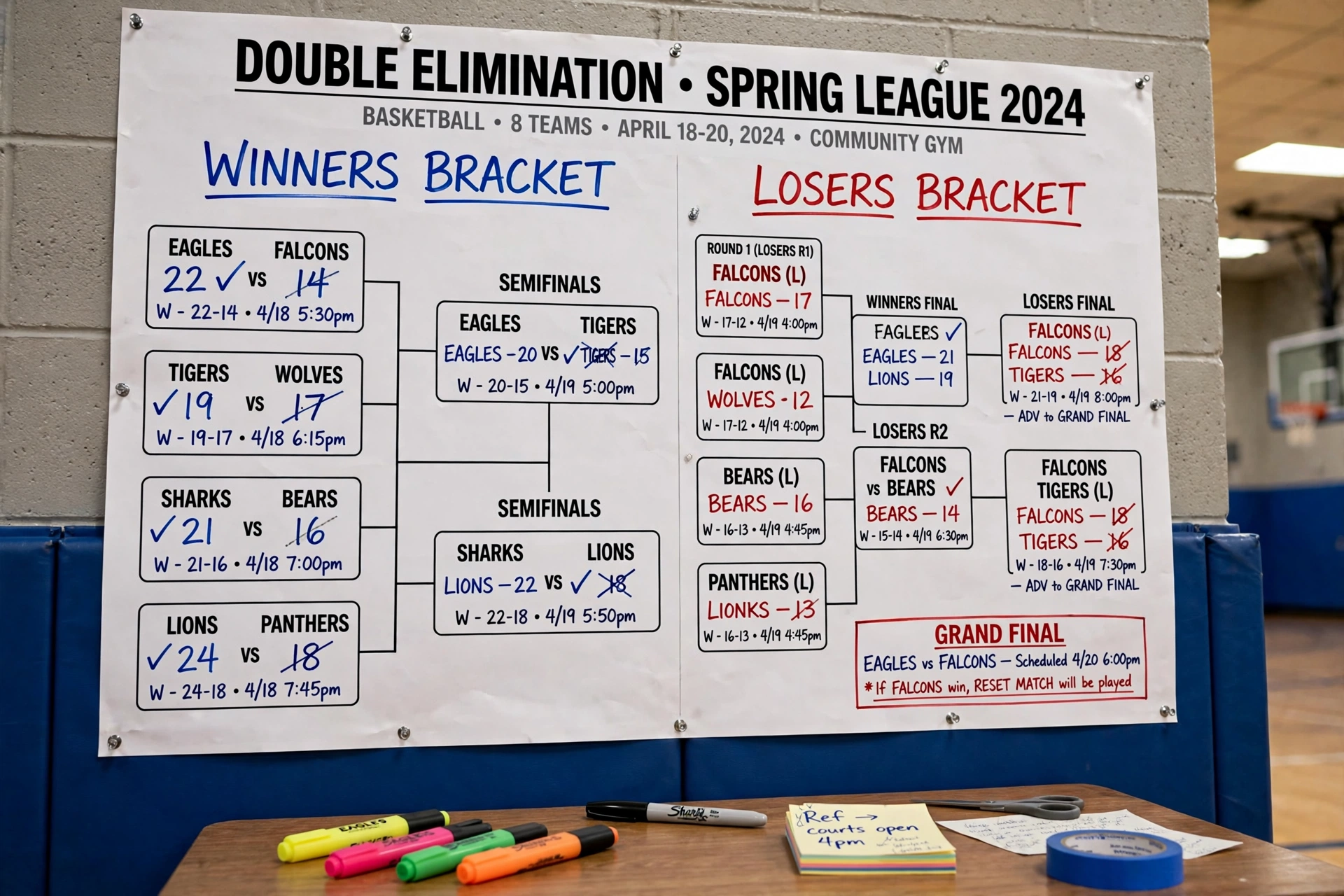
Double elimination explained: how the losers bracket works, a full 8-team example, game counts with the bracket reset, and when the format is worth it.
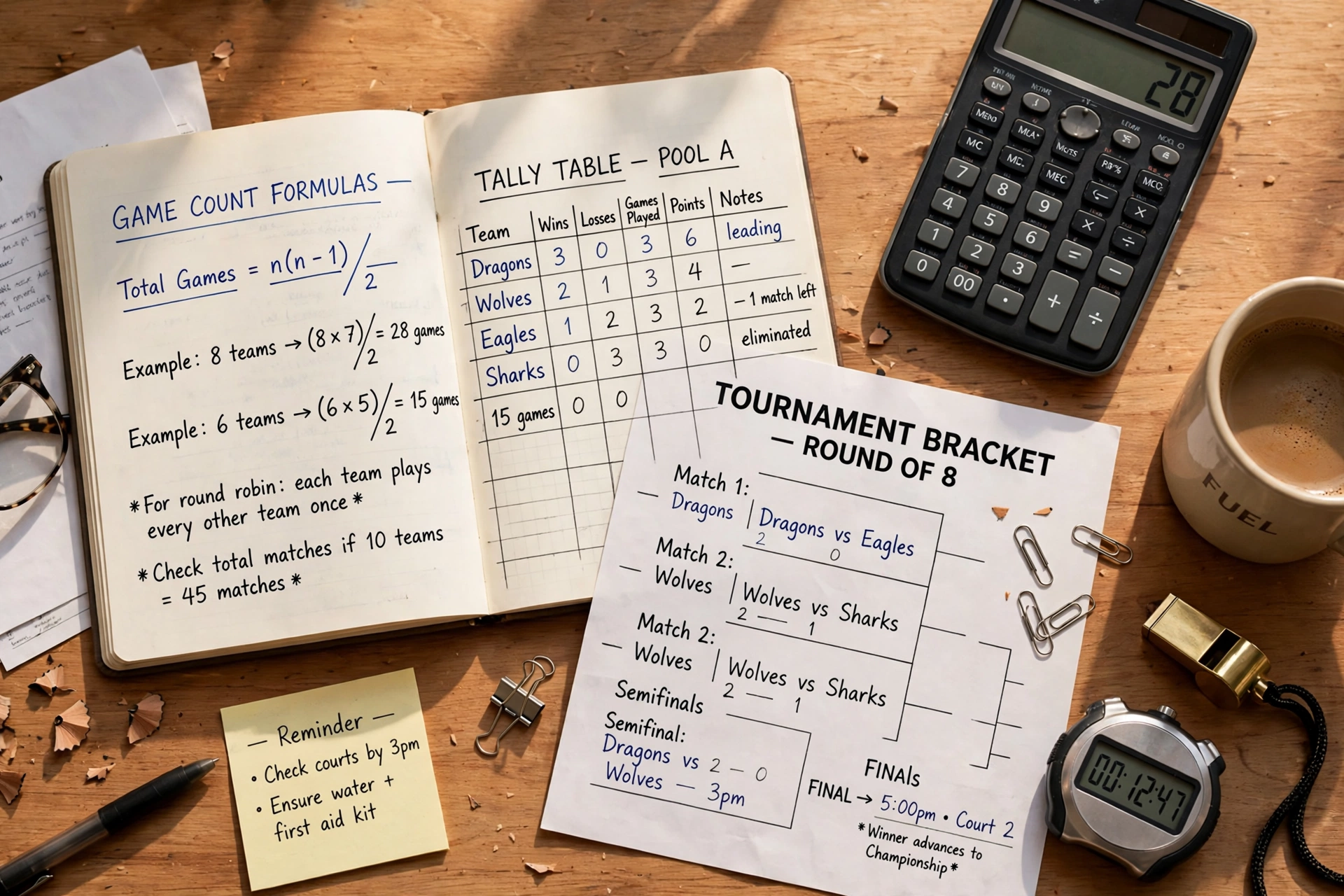
How many games in a tournament? Round robin, single and double elimination formulas, a lookup table for 3 to 32 teams, and how to turn games into hours.
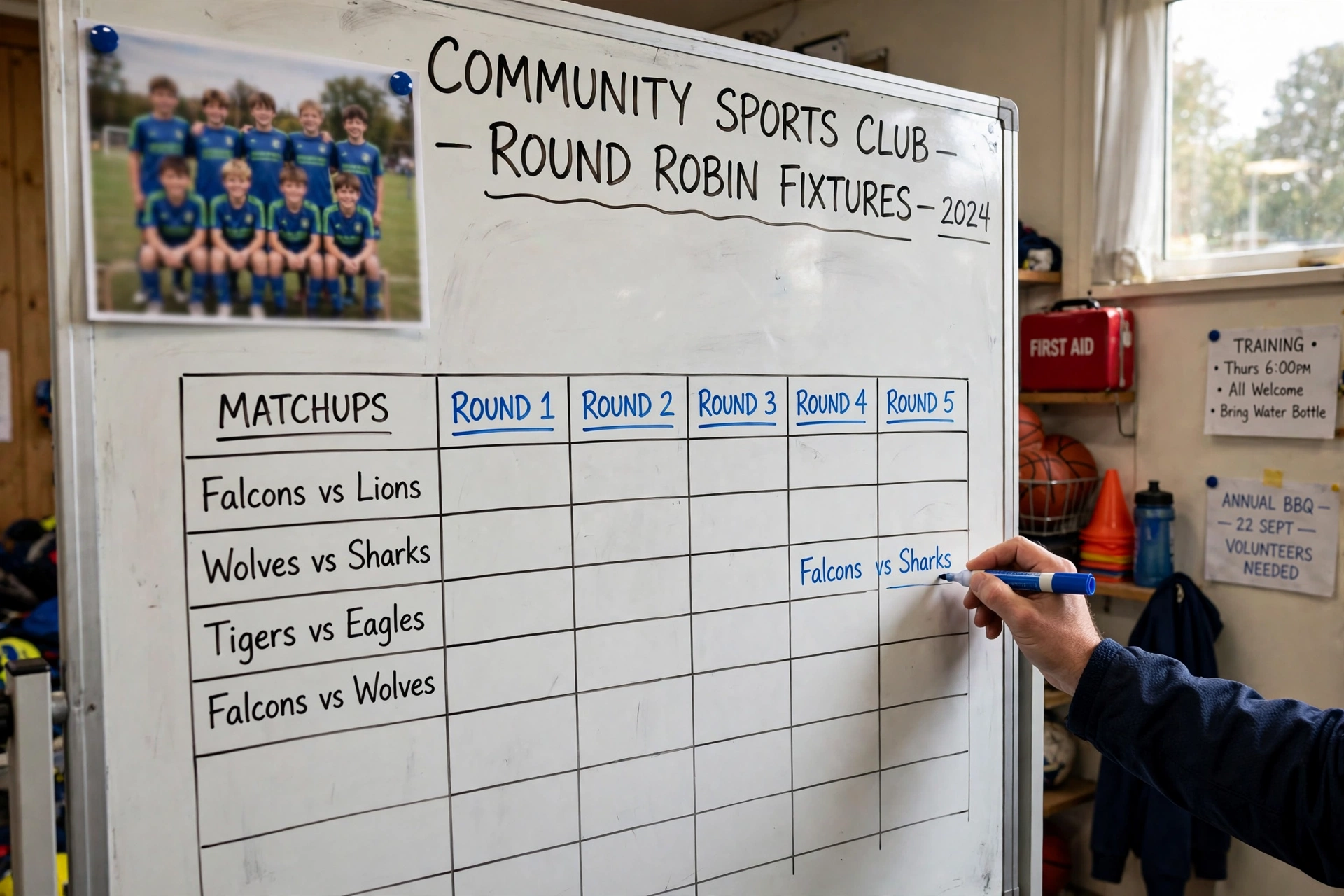
Make a round robin schedule with the circle method: clear rotation steps, ready fixture tables for 4, 6 and 8 teams, and how byes work with odd numbers.
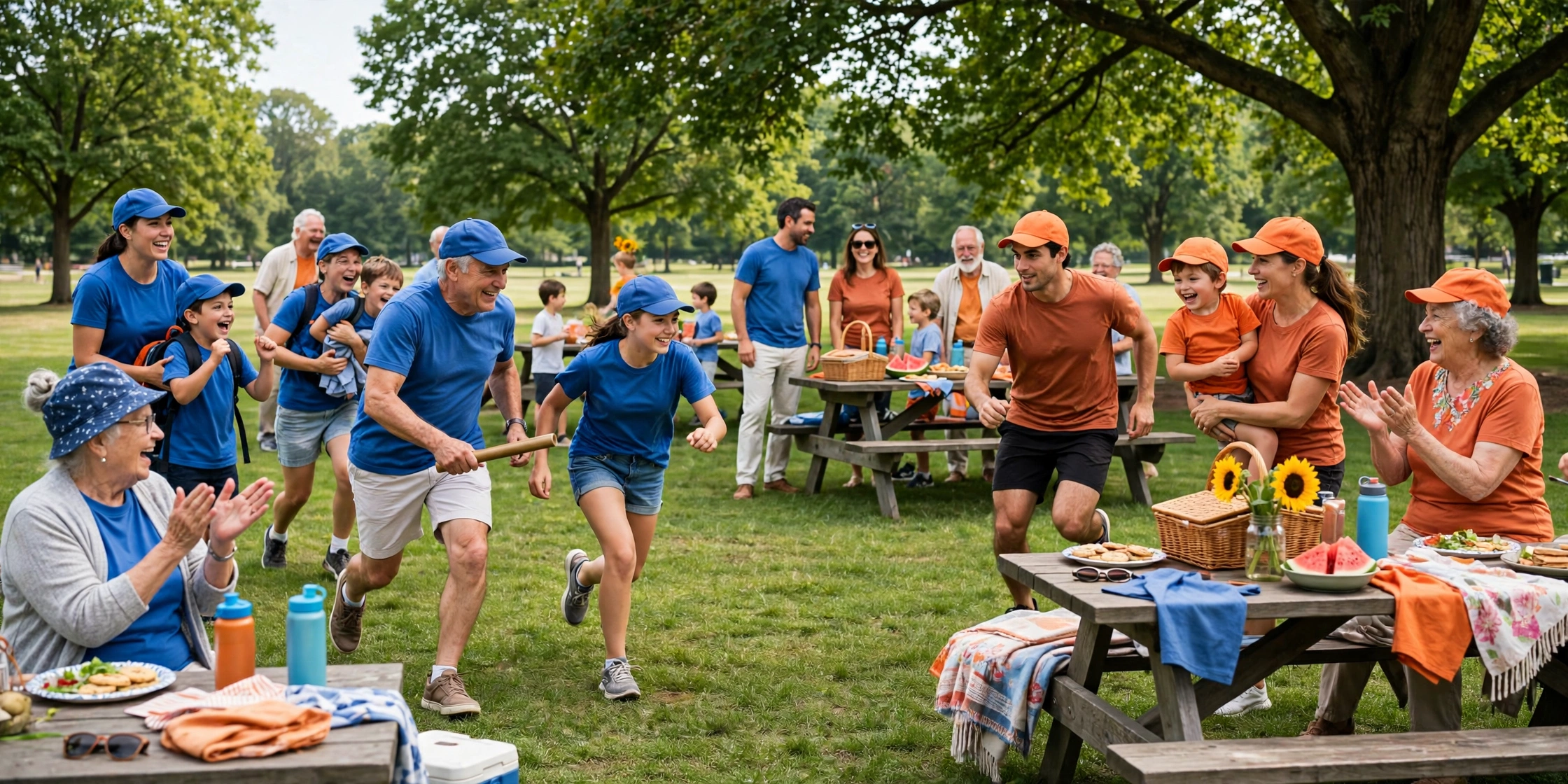
Family reunion team names and games that work for every age: split fair mixed-age teams, pick a name theme, and finish with a mini knockout.
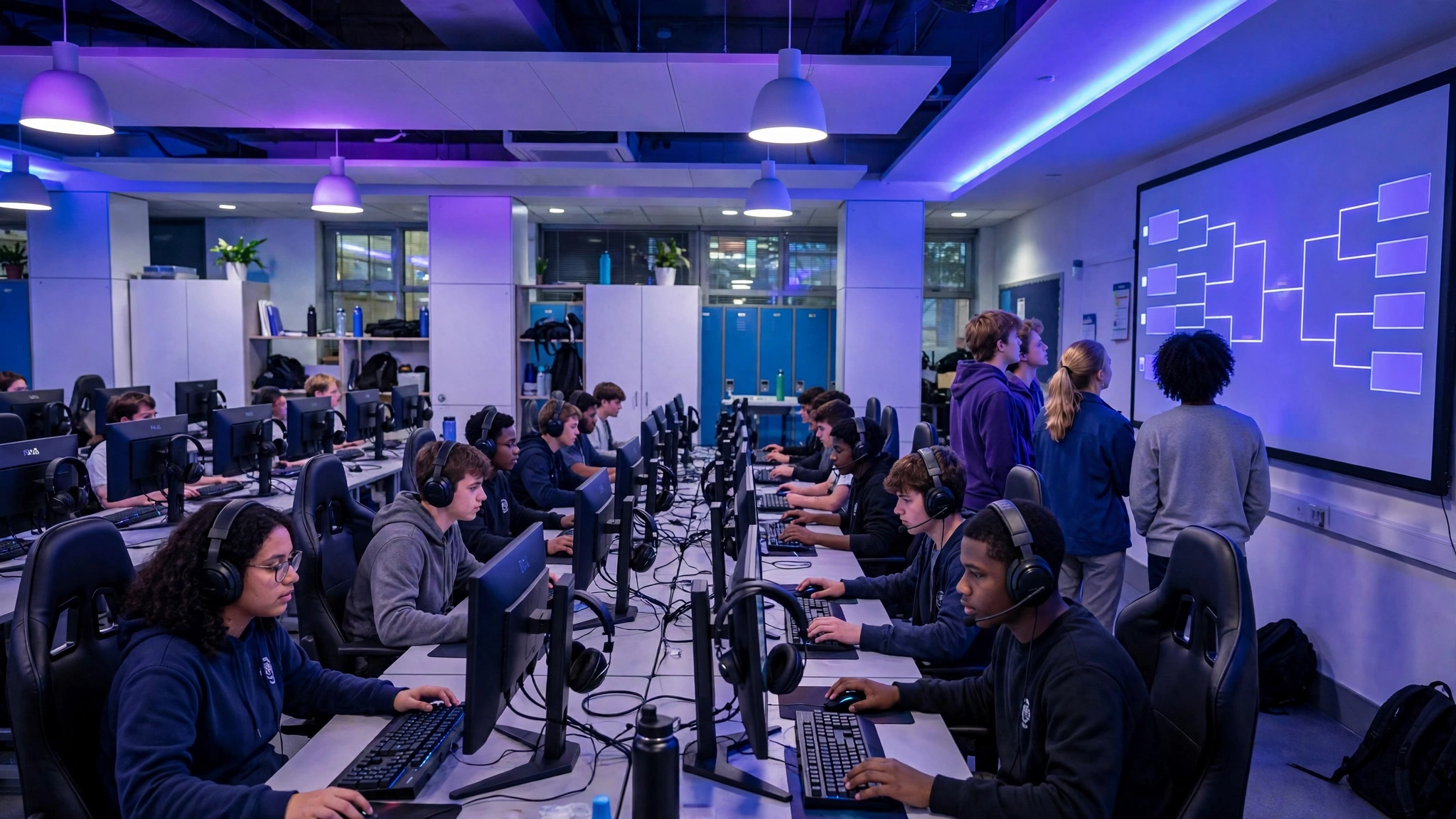
A practical checklist for running a small esports tournament at a school or club: games, hardware, brackets, rules, scheduling and prizes.
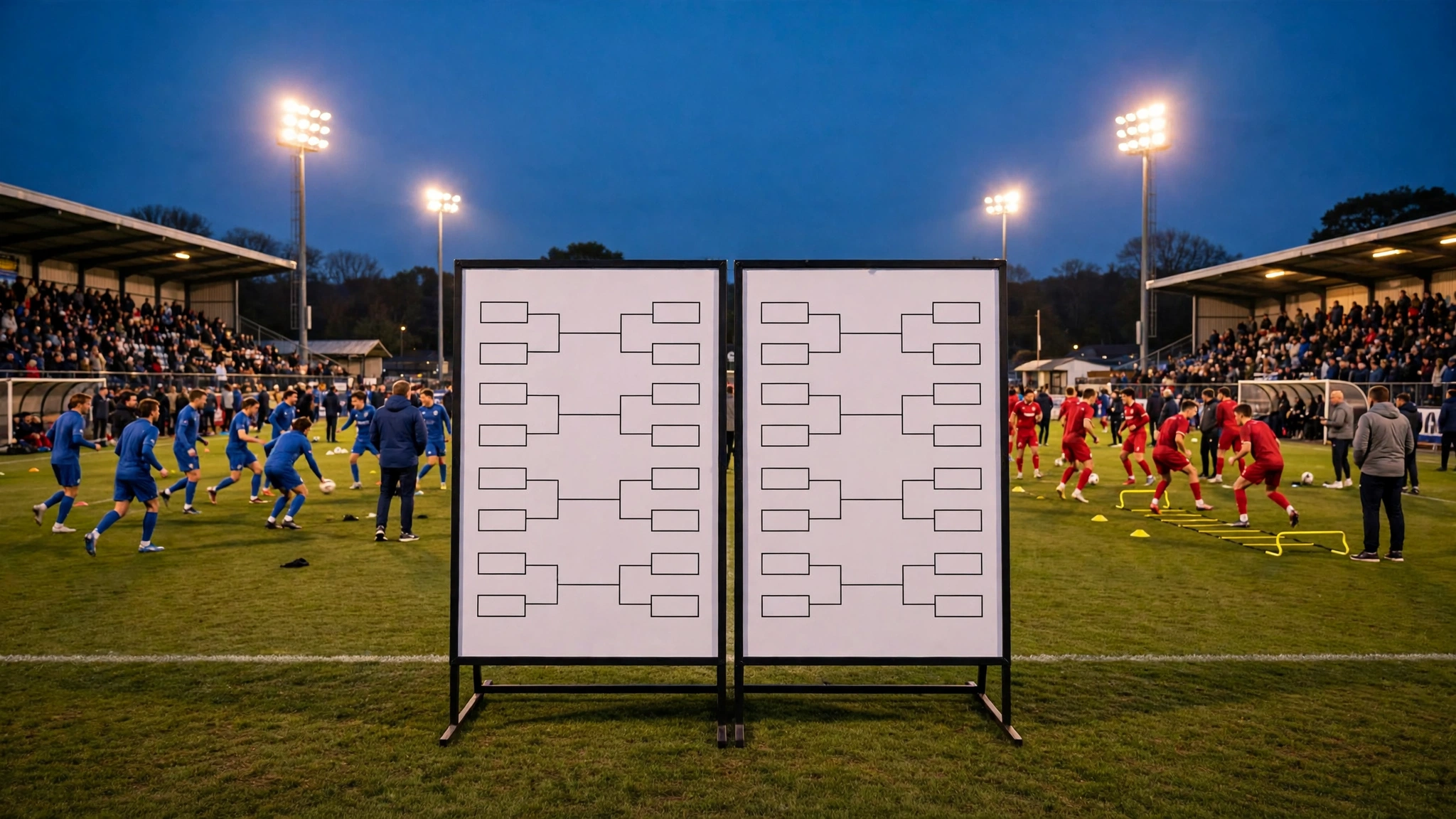
Round robin vs single elimination compared: games, time, fairness and drama, plus a simple guide to choosing the right tournament format.
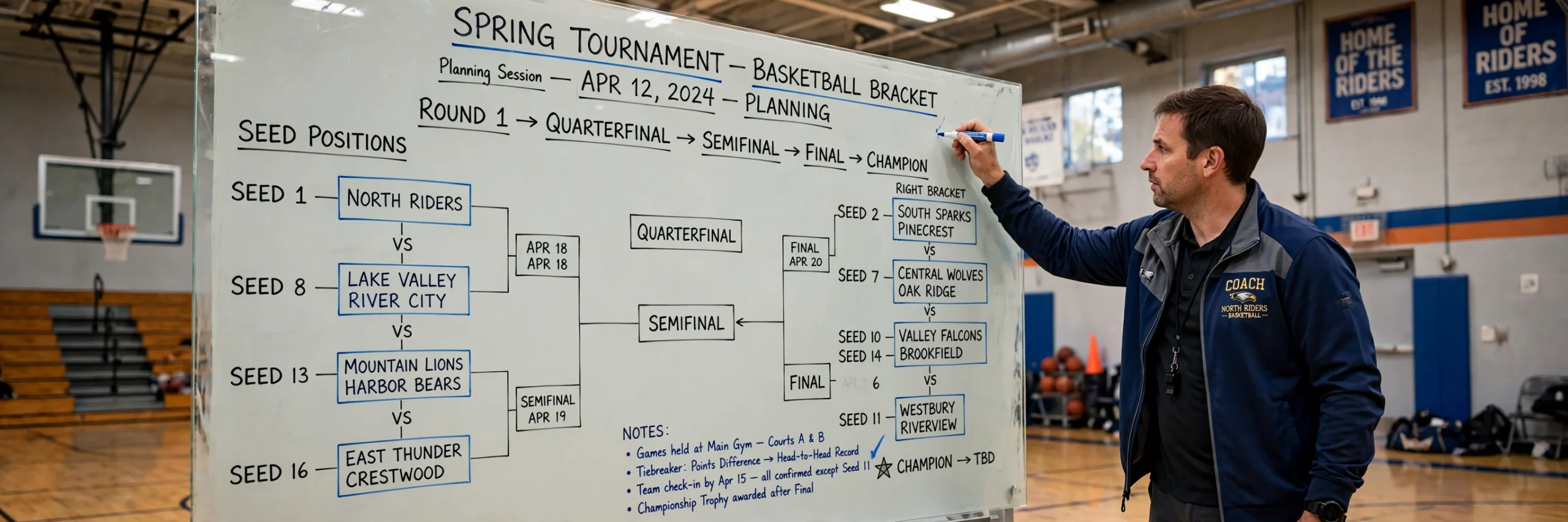
How to seed a tournament, explained plainly: what seeds are, why 1 plays 8, how byes go to the top seeds, and how to rank teams with no data.

Five fair ways of picking teams without captains, compared for fairness, speed and feelings, with guidance on choosing the right method for your group.